If you’ve ever been to AutoZone or another vehicle parts store you know that it can be confusing to choose exactly which type of oil to put into your car.
You might see oils that advertise giving you “higher mileage” or “extended life” for your vehicle. There will also be oils labeled “regular” or “conventional” and “synthetic”—but which is best for your vehicle?
It goes without saying that you should be taking your car, truck, or SUV into a local auto mechanic shop regularly for vehicle maintenance and necessary oil changes. Don’t assume that just because you’re getting consistent maintenance that your vehicle doesn’t need extra oil from time to time. Sometimes you’ll need to add oil in between car tune-ups.

There are many reasons you should check your oil regularly, the primary one being that running low on oil is very, very bad for your vehicle’s engine and could cause expensive and irreparable damage. Trusted local auto mechanics in Texas like Stewart’s Donnybrook Automotive too often have to work on vehicles with major engine issues because their owners didn’t take the time to check their oil levels and add what was needed. A bottle of oil or oil change cost a lot less than fixing an engine.
The good news is that you don’t always have to take your vehicle in to a mechanic for oil change services when it might be time to add oil. Checking your car’s oil is easy and can be done virtually anywhere. One important detail is that you should check your oil after you’ve driven the car a little while and the engine is warm. If you’re unsure how to check your vehicle’s oil yourself, your local East Texas mechanic can give you a demonstration. Or you can watch a tutorial online.
Consumer Reports recommends checking your car’s engine oil monthly—especially if you have a daily commute, an older vehicle, or you drive your vehicle often.
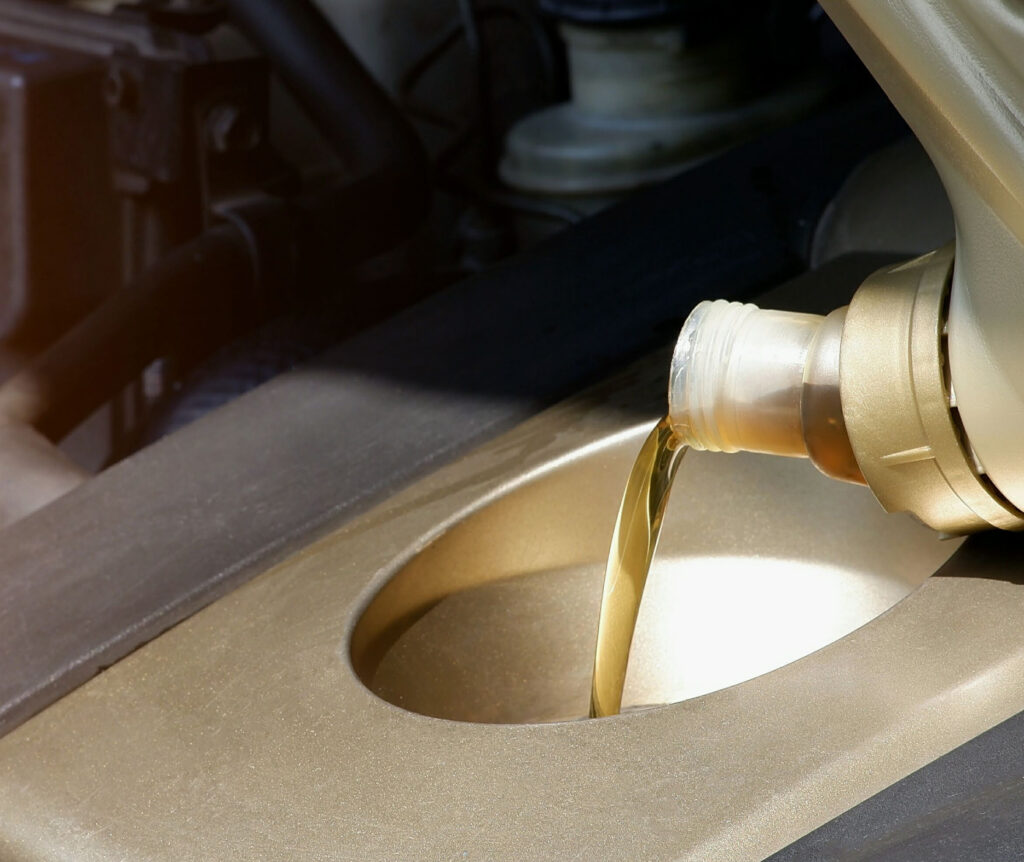
Once you’ve checked your oil and determined it’s low…what’s next?
We’re back to perusing a shelf full of oils and determining which is the right one for your car or truck.
The best place to start? Check your car’s manual.
“The What?!” Many might ask
The little booklet usually stored in your car’s glove compartment that has all the specifics you need to know about your car. If you haven’t familiarized yourself with your car’s manual, this is a good reminder that knowing details unique to your vehicle can be a help both day to day and in emergency situations. The manual will also have important information such as where the jack is for your tire in case you have a flat etc.
Once you’ve determined which oil the manufacturer recommends, you can determine if that oil or something similar is available. One thing it’s important to note is that, in a pinch, you can use most oils if you’re running low. While using an oil that’s not specifically for your vehicle could cause issues over time, using it once or twice to avoid running out shouldn’t be an issue. Not having enough oil does a lot more damage to your car’s engine than using a different type short-term.

So what’s the difference between synthetic and regular or conventional oil?
To some extent, the answer is in the names. Synthetic oil is a chemically modified petroleum product produced in a factory as opposed to the regular version. Conventional oil is the oil that comes from the ground and then goes through a refining process. You may also encounter or be recommended a synthetic blend oil which is a combination of the two.
Do you drive a “newer” vehicle model? If so, chances are it requires synthetic oil to lubricate the engine components. However, that’s not a hard rule and is another good reason to check with your local mechanic and your vehicle’s manual for the correct type for your car.
While synthetic oil might be more expensive than normal oil, it also lasts longer—sometimes as much as 10,000 miles longer. This goes a long way in balancing the extra cost at the outset.
Another benefit to using synthetic oil is that it does well in extreme temperatures. This detail is especially important in regions like East Texas that experience extremely hot conditions, particularly during summer months.
While regular oil has its’ place, it also has a tendency to break down more quickly, necessitating more oil or an oil change more quickly. Because it doesn’t break down as quickly, synthetic oil is better able to provide longer and more consistent lubrication protection to your engine than conventional oil.
Making sure you’re using the correct oil, getting regular oil changes, and checking your oil regularly is a good way to ensure that your vehicle stays in top condition for many years.