Fuel prices have been steadily rising for a while and, especially for people who have a commute, can make a big difference to your daily budget.
People in more rural areas such as East Texas are especially impacted for multiple reasons: many people have larger vehicles for farming or to handle the rougher terrain; it’s a longer commute for many individuals to get to work; the hilly landscape impacts highway speeds and vehicle energy output.
The good news is that there are many things you can do daily that will help you spend less money at the pump.
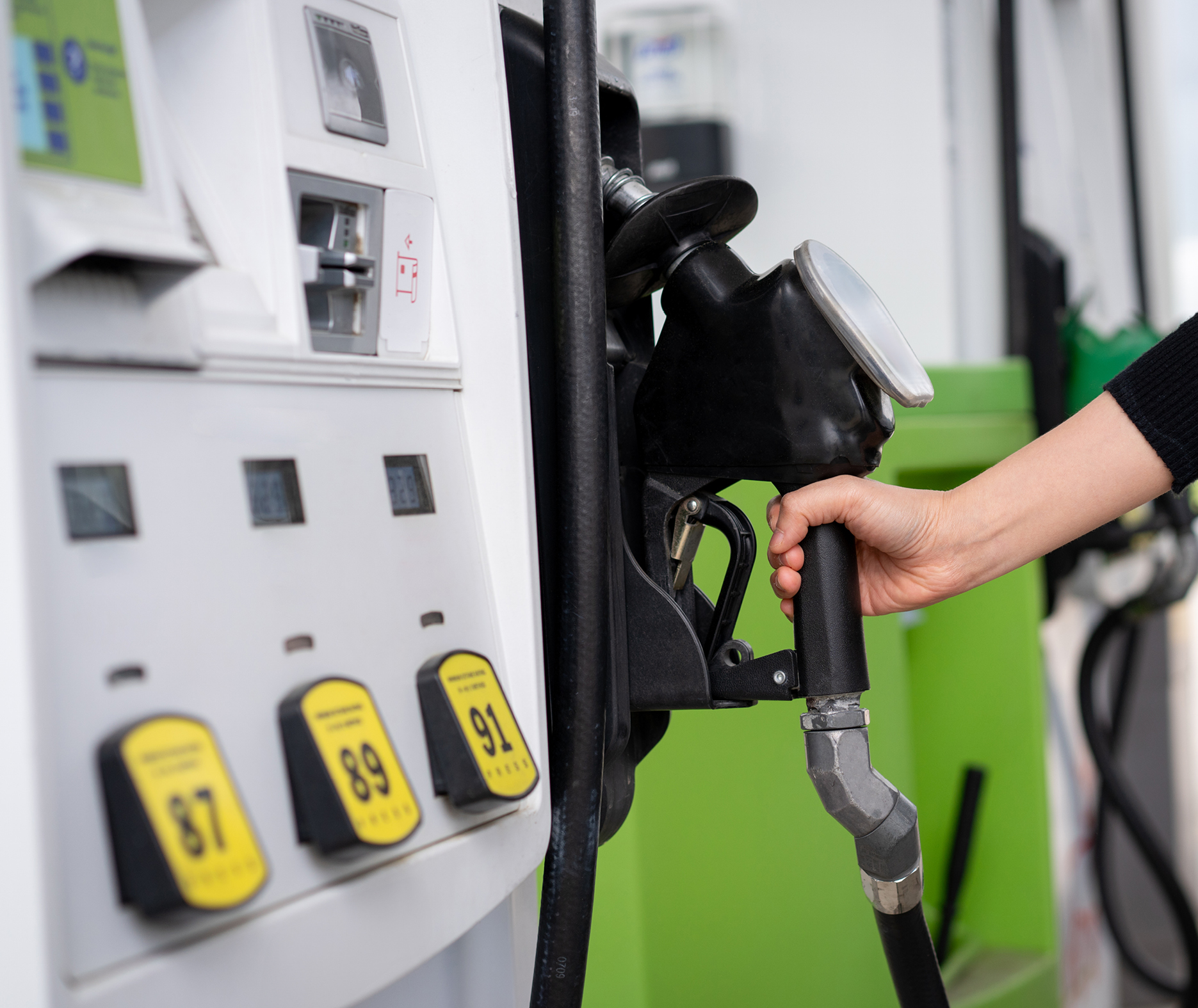
You’ve probably heard that how you drive can impact your gas mileage, but you probably didn’t know how much.
According to fueleconomy.gov, the way you drive has a considerable impact on the fuel efficiency of your car, truck, or SUV. If you brake often, accelerate rapidly, and/or speed, your gas mileage can be impacted as much as 15%-30% on the highway and 10%-40% in traffic that’s stop and go.
We all get into habits as drivers, some of them good and some of them…less so. It’s worth it to your wallet to try and be aware of how you’re driving and if you notice that you’re accelerating/braking more than is strictly necessary, making an effort to change things up.
Being aware of your driving habits when it comes to fuel efficiency can save you money. And it can also save you money on the cost of repairs and wear and tear on important and expensive to replace parts such as your brakes.
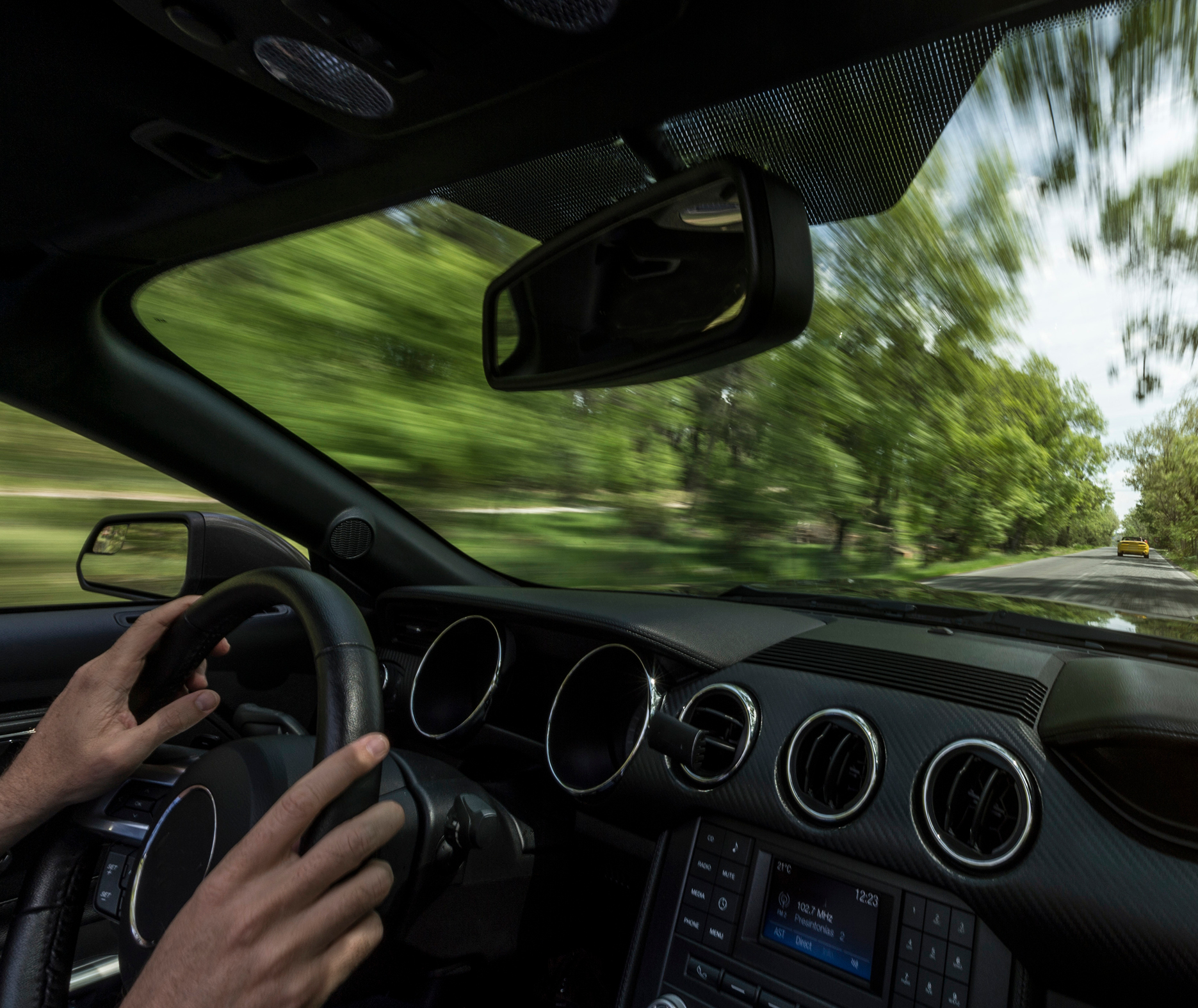
Many people don’t realize it, but driving at higher speeds is not only dangerous, but it can also reduce your gas mileage. This is due to elements impacting on your vehicle such as wind resistance. Do you have something on top of your vehicle? You might be losing gas mileage if you have a roof rack or other large item on your roof, which is also impacted by wind speed.
Do you enjoy driving with your windows down? If so, you might be negatively impacting your gas mileage because of wind resistance once again. Driving with the windows down creates a drag on your car that affects your gas mileage.
One of the most important ways you can help your vehicle’s gas mileage is by having regular vehicle maintenance by a trusted local auto mechanic shop.
Experienced East Texas mechanics like Stewart’s Donnybrook Automotive encourage their customers to get regular car tune-ups that include tire maintenance, an oil change, engine diagnostics, etc. A car that is in top working condition will run more efficiently and get better gas mileage.
Do you tow a horse trailer, boat, or other large trailer? If so, you know the difference it makes to your truck or SUV’s gas mileage when you’re towing vs. when you’re not. While it’s always important to keep your vehicle maintained, it’s especially important if you’re going to tow anything. The weight puts a strain on your vehicle, so get it into an East Texas auto mechanic before you hit the road.
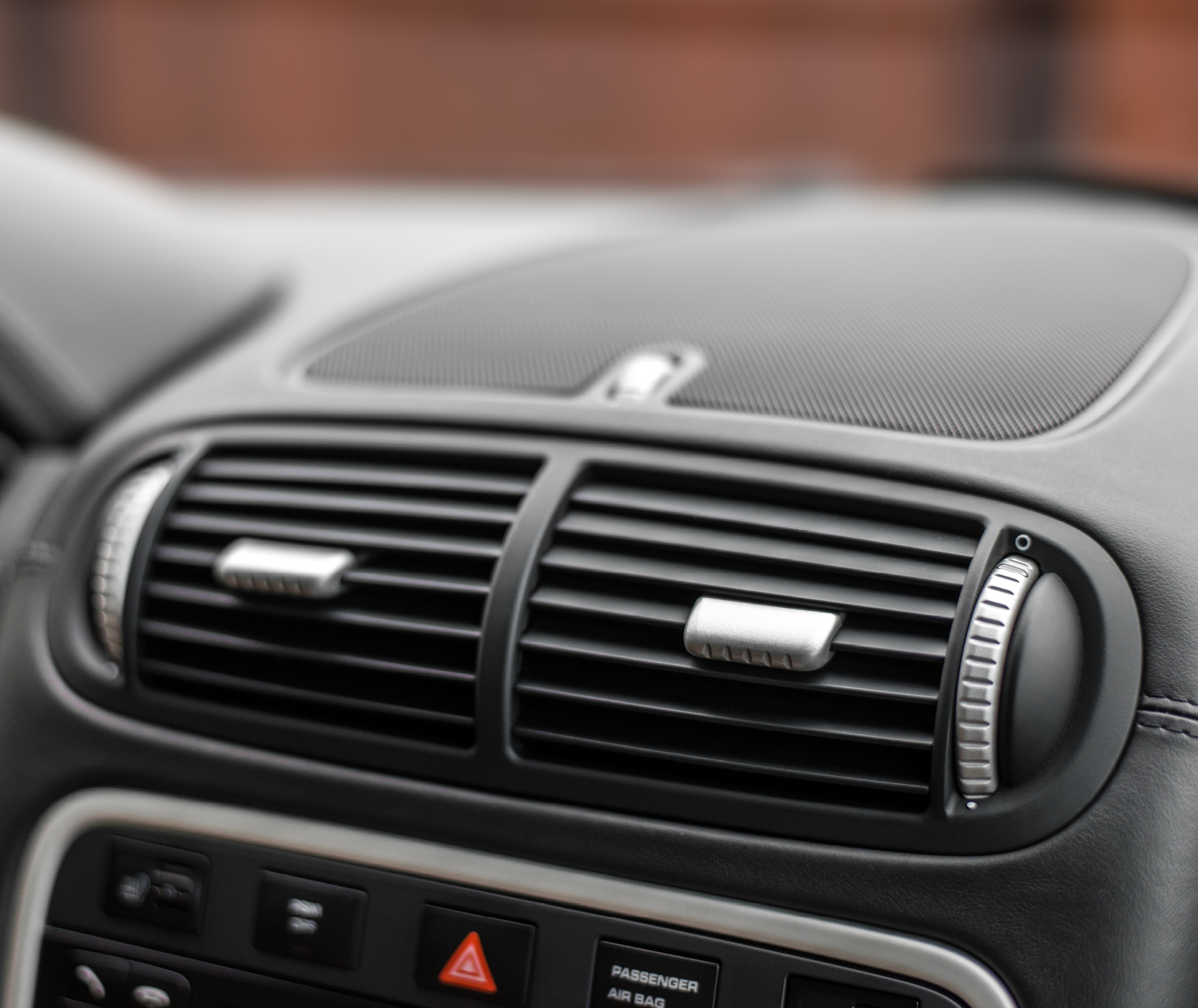
East Texas gets HOT in the summer, so many people aren’t going to like to hear that running your air conditioner at the max will negatively impact your gas mileage. If possible, turn your AC down to a point where the car still feels comfortable to help reduce your fuel usage as you drive. On truly hot days AC isn’t just a matter of comfort, it’s also a matter of safety. However, it doesn’t always have to be running at full blast to keep a car cool.
When it comes to driving in hilly or mountainous terrain, it’s almost impossible to avoid in towns like Tyler in East Texas. The region is known for its’ picturesque hills and “piney woods” that stretch for miles and make for beautiful scenery. However, this up and down countryside, while lovely, can take a toll on your fuel efficiency.
If you know you’ll be driving long distances—especially in hilly or mountainous areas—make sure you have enough gas to get you to your destination, as running out of gas on the side of the road is no fun!
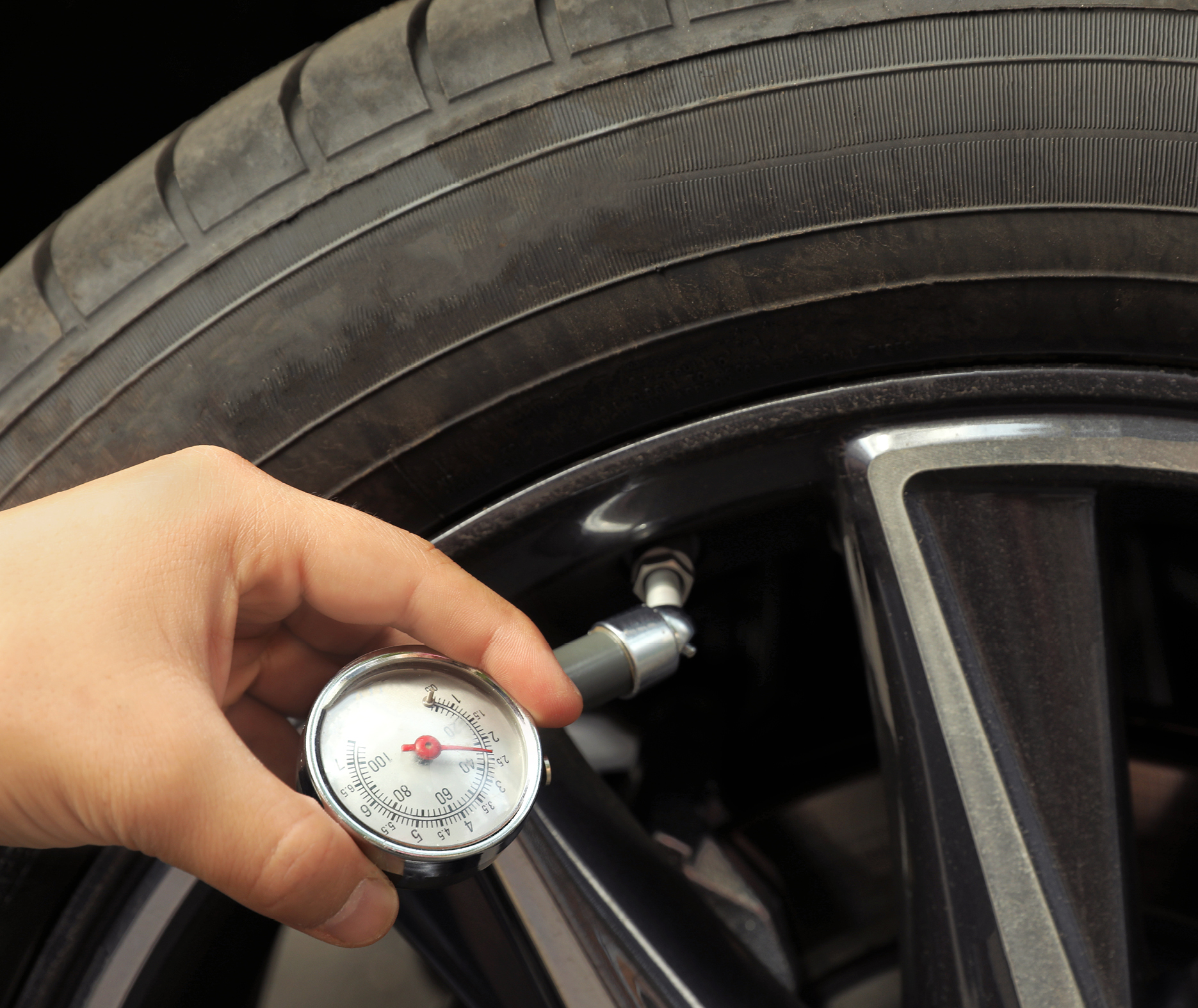
Tire pressure—or lack thereof—can negatively impact your gas mileage causing you to need to fill up sooner. When you stop at the gas station, take an extra moment to check your tire pressure and add air where necessary.
Are you due for an oil change? When was the last time you had your oil filter checked or changed? A clean oil filter can make a big difference when it comes to your gas mileage. When the filter becomes dirty and/or clogged it causes your engine to work harder and use more fuel to keep up.
While you can’t do much about the rising cost of gas, there are some things you can do to help mitigate how much you pay at the pump.